
PIPE - Puzzling in Practice Expanded
(formerly Utopias Bach Theory group)
Amdan / About
This Utopias Bach experiment was started by Sarah Pogoda in December 2025. Since then we have been meeting monthly over zoom to explore whether we can articulate more clearly (or not) what UB is; help us (and others) take ourselves more seriously; help us go one step further.
With more than 5 years of Utopias Bach practice in doing, growing, thinking, reflecting, we have established thorough methodologies. While our methodologies (see below - now possibly called Fynnonnologies) include reflection and critique, we are lacking an elaborated and distinctive theory that could be a communicative tool for us to talk about UB with beings who have not been part of our processes, yet. It also makes it difficult for us to compare UB with other art groups/collaboratives who will have developed their own distinctive methodologies. But through comparison (and distinction) we can learn more about ourselves and others.
Please note: The ambition is not to prescribe one exclusive theory of UB but rather to create a theory-kit for everyone to use to find their own theoretical language to talk about UB with other beings, artists, cultural connectors – and maybe funders – locally, nationally and internationally.
Our conversations = the practice…
We are using different ’stimuli’ for conversation (maybe ’theory’, maybe a quote, an image, video, text, novel etc, and may include what we’ve already written/documented)
These ‘stimuli’ might be on socially engaged practice, love, care, pedagogy, co-learning, more-than-human alliances, conversation…etc
Our conversations may focus on different aspects of Utopias Bach/a particular experiment/an experience, to give practice to theory (puzzling)/ (puzzling) theorising a practice
The work of this group is also informing what goes in our ’utopias Bach scores book’.
We were also excited to take part in a three way discussion ‘Be da ni’n neud?! / Klar wie Kloßbrühe / Clear as mud’ event with Dyffryn Dyfodol and Syndikat Gefährliche Liebschaftenfrom Germany, for which we drew on this work.
Please reach out to Sarah Pogoda if you are interested in taking part in our monthly meetings (email Sarah by clicking here).
Please note 2: Lindsey has compiled this page so it is subject to her point of view, interpretations, priorities etc. To see the original inputs and thoughts please see our online Padlet noticeboard (password = Puzzling)
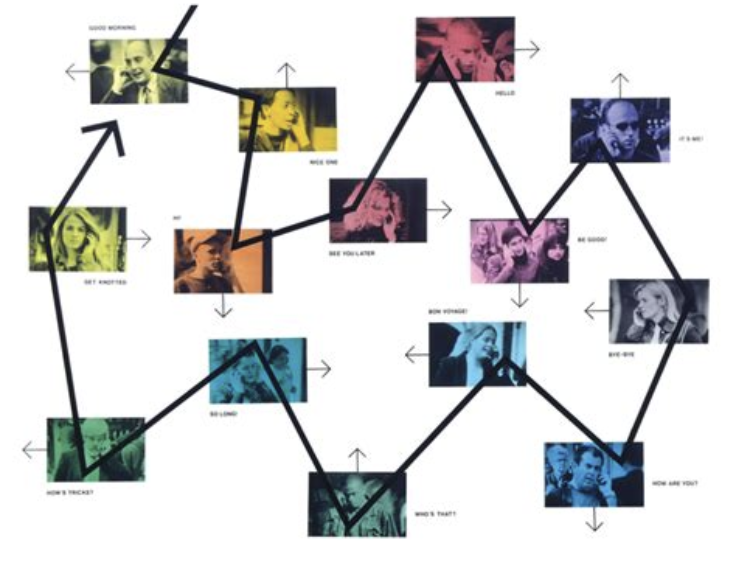
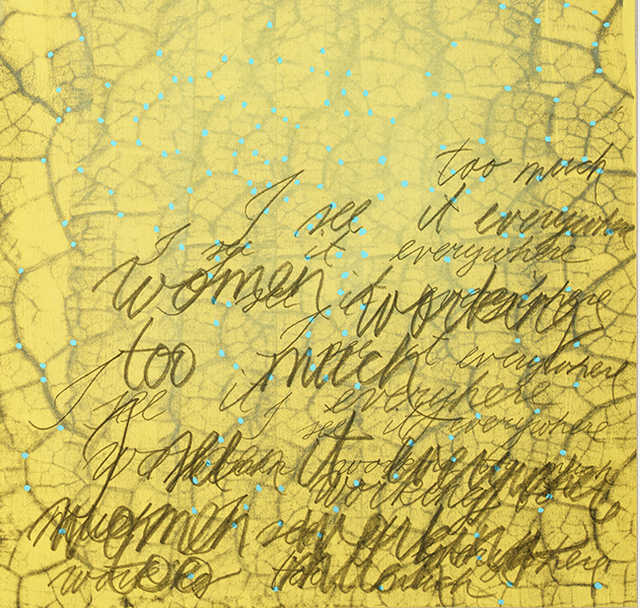
Starting points - theory, images, texts
If you click on an thumbnail, it’ll take you to the paper. Those labelled ‘image’ are just the image with no links.
Some notes from our conversations
Note In these sections people have expressed views, but those views may well have changed (you can even sometimes see them changing, in response to others) or they might not have meant them in the way that you might read them. They are presented as a resource to prompt further thinking, rather than something to agree or disagree with.
Amdan Iaith / About language
(responses to Le Guin and Kester papers)
“My wonderings about language and puzzling around how we can express the conceptual, nuanced, entangled theory of Utopias Bach in a way that takes ourselves seriously but is still accessible.
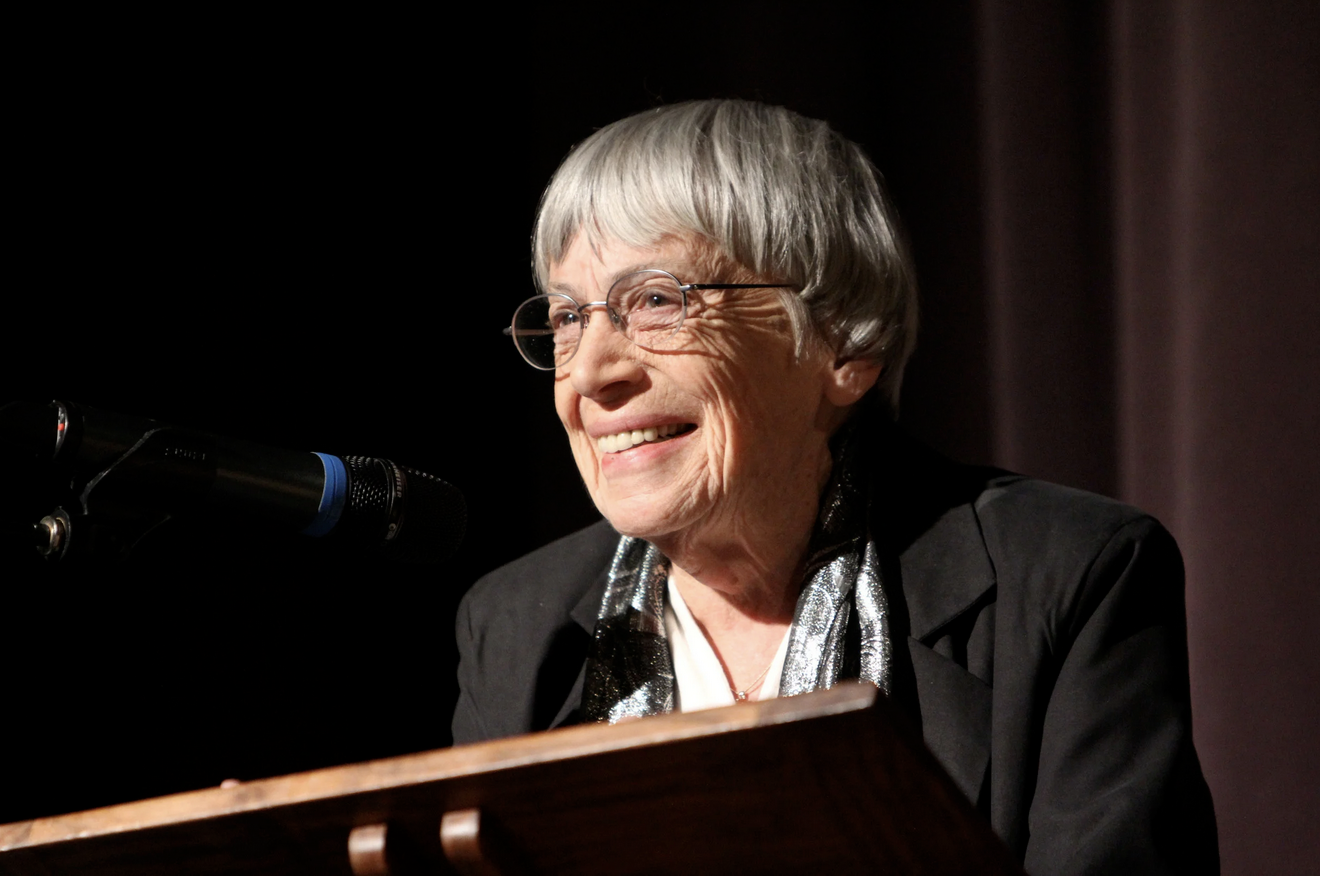
Ursula le Guin – We Are volcanoes 1986
‘It (the Father tongue) describes with exquisite accuracy the continuing destruction of the planet's ecosystem by its speakers. This word from its vocabulary, "ecosystem," is a word unnecessary except in a discourse that excludes its speakers from the ecosystem in a subject/object dichotomy of terminal irresponsibility.’
Grant Kester Conversation Piece
‘forms of collective identity are anathema to the avant-garde tradition. “The idea of community,” according to Critical Art Ensemble, “is without doubt the liberal equivalent of the conservative notion of ‘family values’—neither exists in contemporary culture and both are grounded in political fantasy.”
I noticed these two bits in the texts that seemed to agree with each other, and to echo something Tyson Yunkaporta said –
‘with languages where, if you don’t have words for things, then you know in that culture, in the root culture, there’s no utility for these things…. So there’s no abstract nouns at all in Wik Mungkan, which is the language I speak, so it’s really tricky.’
I think they are all saying something about the colonial and depersonalising effect of using generalising abstract terms like ‘eco-system’ or community, or Nature, rather than the intimate but more time consuming way of describing the place and plant/animal life of an ecosystem, or a specific group of people.
I think this is something we notice in Utopias Bach and challenge by trying to entangle with rather than distance from things, and perhaps it is something to think about when we are writing about UB. It might help to sit across that uncomfortable position of not wanting to exclude by using only ‘Plain English’ but not going down the other road of becoming too inaccessibly academic. (Obviously we will use some abstract nouns, but perhaps we can be aware of them and make sure they are enough)
— Lisa Hudson“This depersonalisation seems to me to be based on what the feminist philosopher Geraldine Finn calls 'high-altitude thinking, thinking forgetful of its contingent roots in particular persons, places, and times' and the art historian Janet Wolff's critique of debates (in women's studies) about "theoretical purity". She argues that our attempts to understand culture 'is not just about theories or texts: it deals with lived experiences, and with the intersections of social structures, systems of representation, and subjectivities - intersections which are, of course, relations of mutual constitution. Here it does (italics) matter if the the interpretation does not fit experience'.
She is arguing here for "thickening out" theoretically-animated arguments with elements of experience-based autobiography, oral histories, accounts of cultural reception, ethnography and psychoanalysis. While I agree with her argument, I worry about the fact that, like Geraldine Finn, she expresses it in a way that is, itself, caught up in the language of high-altitude thinking!
…..
Reading this again, I feel a need to make a distinction between 'language' and 'thinking' - as artists we may/will "think" in ways that do not necessarily involve language - at least in the usual sense.”
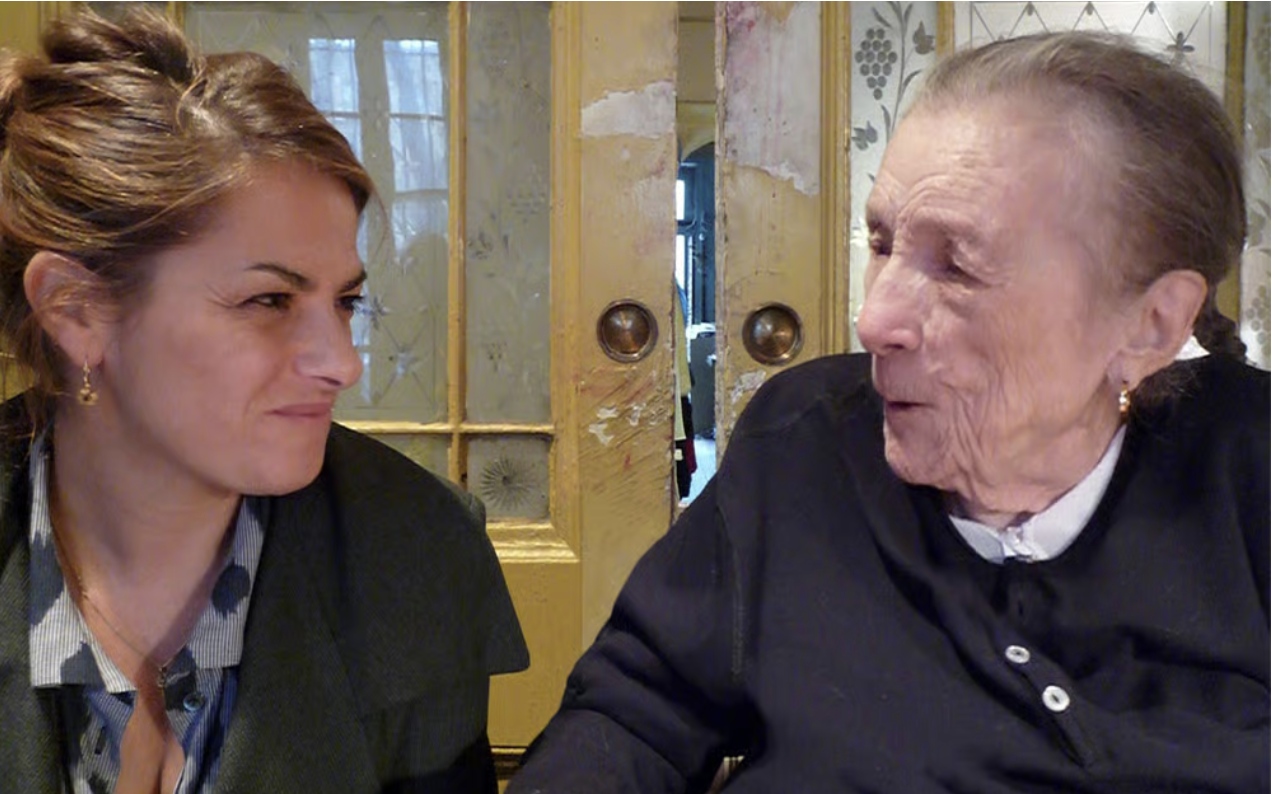
— Iain BiggsMy reading of the relationship between Louise Bourgeois and Tracy Emin was that they made a connection with each other, because of the content and the shared emotional context / relationships explored through their work. They had a respect and appreciation for each other’s individual practice and therefore a place of trust.
— Trish Bould“I was both fascinated and exhausted by our talking about language on the 16th Feb. It seemed genuinely important to tease out the issues but, at the same time, there's something that feels pedantic and irritating about having/wanting to do it. Reflecting on this afterwards, I think part of the problem (for me) is that the words we speak are only one part of any interpersonal communication and Zoom isn't a good space for reading body language, and all the "subtexts" that are part of any face-to-face exchange.
In terms of UB's "general direction", I kept wanting to say something about Ursula K LeGuin's third, unlearned language, as spoken in poetry and literature and its ‘wedding and welding back together of the alienated consciousness’ of the father tongue with ‘the undifferentiated engagement’ of the mother tongue, because I have a sense that that's close to the tightrope we were trying to walk and to the direction I see/hope UB is heading.
— Iain Biggs— Iain Biggs“I have read a lot of Spivak in the last few yers (and of course likely only got 1% of what she is saying), however, Spivak made me re-think my previous strong rejection of high-altitude thinking, and instead made me wonder what history of honest attempts to understnad what it means to be human, what it means to experience the world, is hold by this high-altitude language. And (but again, I might misudnerstand Spivak here), Spivak argues that this history is – for us – an experience in itself as well (so needs to be integrated), as well as it bears a lotof what it means to be human (meaning performing the human desire to understand what it means to be in this world and with the world). ... Well, I think what I want to do here is, make a case that we should not abandon the high-altitude language (maybe Iain this is not what you are suggesting at all). We clearly need to flatten it (and not make it a dominant language or assume that it is any more valuable or insightful as any other) - but we also still need it. And I feel if we exlude thinking in high-altitude language (or assume that it does not hold any knowledge or udnerstanding at all), we are not better than the patriarchic monsters that abuse high-altitude language to dominant others.”
— Sarah PogodaOn Emergence, being, becoming
(responses to connection and collaboration and co-existances papers)
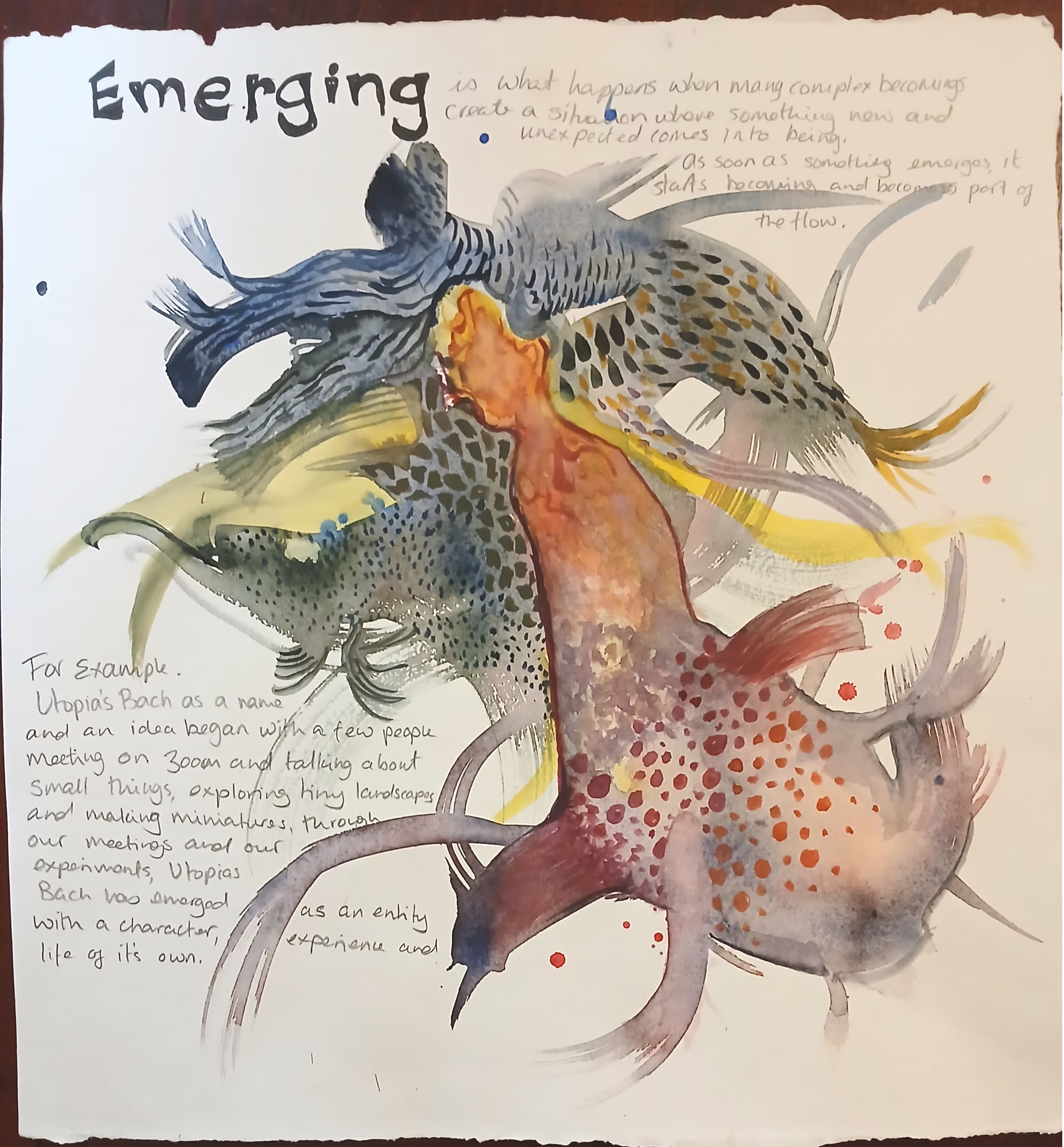
“Emerging is what happens when many complex becomings merge to create a situation where something completely new and unexpected comes into being. Once a new being has emerged, it can and will start becoming in it's own way.
For example, Utopias Bach began as a name and an idea to meet and think about the world in miniature, perhaps making miniatures as a way to make things more manageable. Through our meetings and experiments, and all our becomings happening together, and the strange world of lockdowns, the conditions were met for Utopias Bach to emerge as a new thing. An entity with a charachter and feel of it's own, more than the sum of the parts that came together from which it emerged.”
— Lisa Hudson“Utopias Bach emerges as one of the many plural ecologies (Großmann und Sprenger 2018, ix[1])? An ecology that questions the separation between ontology (what is) and epistemology (what is known) (see Barad 1996 (2015), 35)[2]. The way (the how) Utopias Bach becomes determines the way (the how) it emerges, and vice versa. The how of the process from which Utopias Bach emerges, determines what Utopias Bach is and is becoming. Our Zoom discussion from last week exactly demonstrates this. While our prerequisite or sine qua non is that Utopias Bach is whoever gathers (here the Latour’s term of the collective might fit [1991] 2008, 11)[3], we gathered via Zoom for inquiring what Utopias Bach does to be Utopias Bach. However, we were only performing the simultaneity and dependency of becoming and emerging: Being Utopias Bach by reflecting, questioning, noticing, sharing – and emerging from this noticing, reflecting, sharing and questioning.
Because we were gathering as puzzling about the theory of Utopias Bach this text emerged and became rather theoretical.
[1] Großmann, Kristina, und Guido Sprenger. 2018. „Introduction: Plural Ecologies in Southeast
Asia.“ Sojourn Journal of Social Issues in Southeast Asia 33, Nr. 2: ix–xxi.
https://doi.org/10.1355/sj33-2a.
[2] Barad, Karen. Meeting the Universe Halfway: Quantum Physics and the Entanglement of Matter and Meaning. Duke University Press, 2007.
[3] Latour, Bruno. 2008. Wir sind nie modern gewesen: Versuch einer symmetrischen Anthropologie. Übersetzt von Gustav Roßler. Frankfurt am Main: Suhrkamp. Französische Erstveröffentlichung 1991
- Sarah Pogoda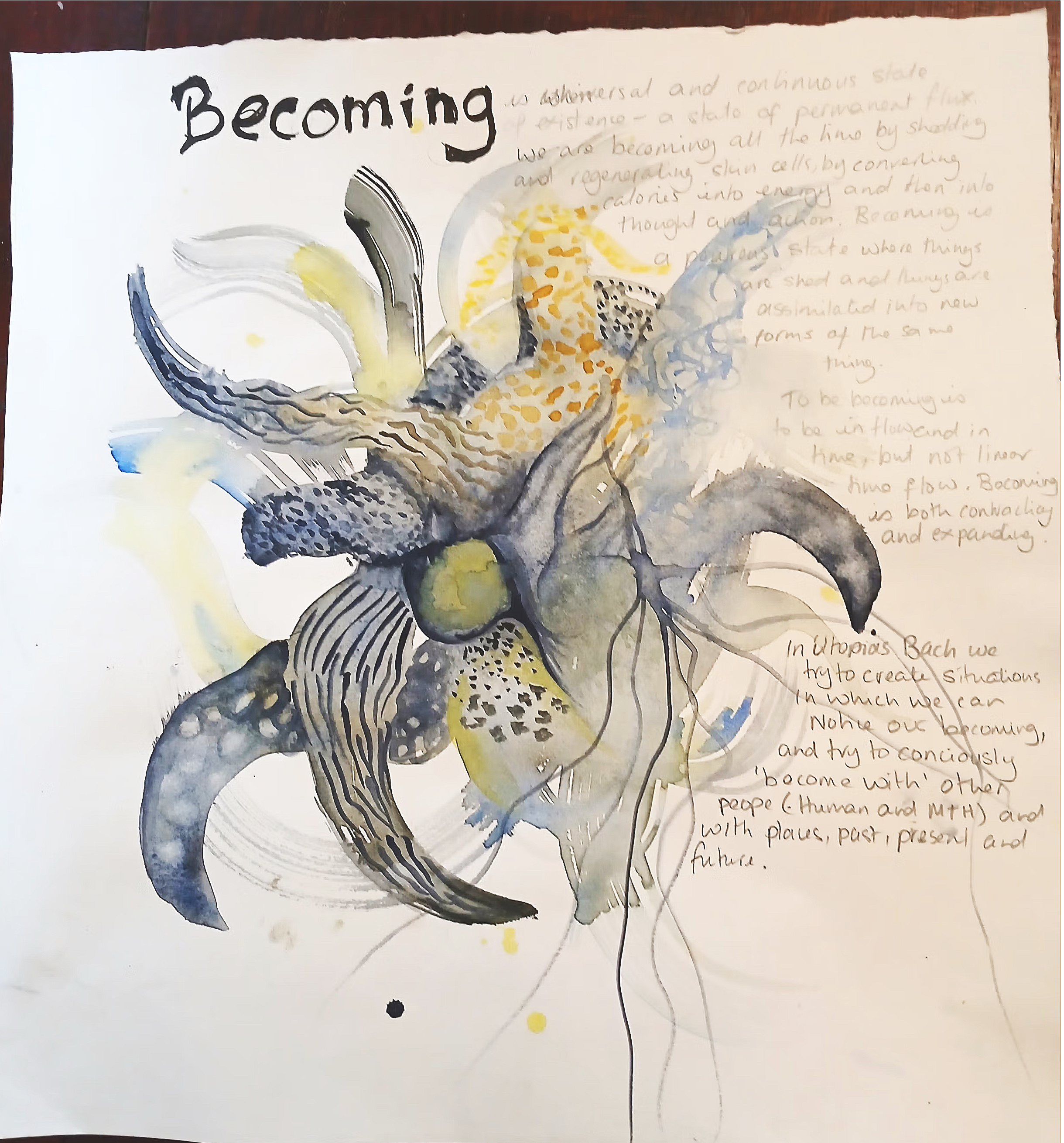
“Becoming is a universal and continuous state of existence; a state of permanent flux, of absorbing and shedding, expanding and contracting. From becoming older with time, but becoming newer with new skin cells and hair, to making up our minds only to change them again, to consuming calories and converting them into thought, wight and shit. Becoming is pourous and in flow. in time but not linear.
In Utopias bach, we try to notice our becomings. We try to create situations to conciously become together, with other people, human and more than human, with places, with time and with magic.
Becoming together is difficult, and unpredictable. It is hard to know whether we are acheiving it or not, but it feels worth trying.”
- Lisa HudsonI wonder if something John Shotter writes is relevant to our discussion about this?
He's writing about: 'the possibility of two quite distinct worlds coming into living, dialogical contact with each other. At that moment, when a speaker in one world turns from addressing those in another and invites their creative bridging of the gap thus created in their respective rejoinders, a new world is created between them, with influences from the unique worlds of both participants and from their shared cultural at work in it. And it is only in "the once-occurrent act of Being in the process of actualisation that can constitute this unique unity" (Bakhtin, 1993: 2) that two people with their own unique worlds can meet: where, the special unity or wholeness that emerges when two or more different worlds, or different "freedoms" (Steiner 1989)meet, exists only in the fleeting moment of their meeting. It is in their sustained focus on, and the special way in which they "poetically" articulate the details of what occurs in fleeting interactive or dialogical moments - without the need to step out of such moments as if to observe and to describe them from a distance - that is so special in their non-theoretical approach'.
from: John Shotter 'Life inside dialogically structured mentalities' in The Plural Self: Multiplicity in Everyday Life.
- Iain Biggs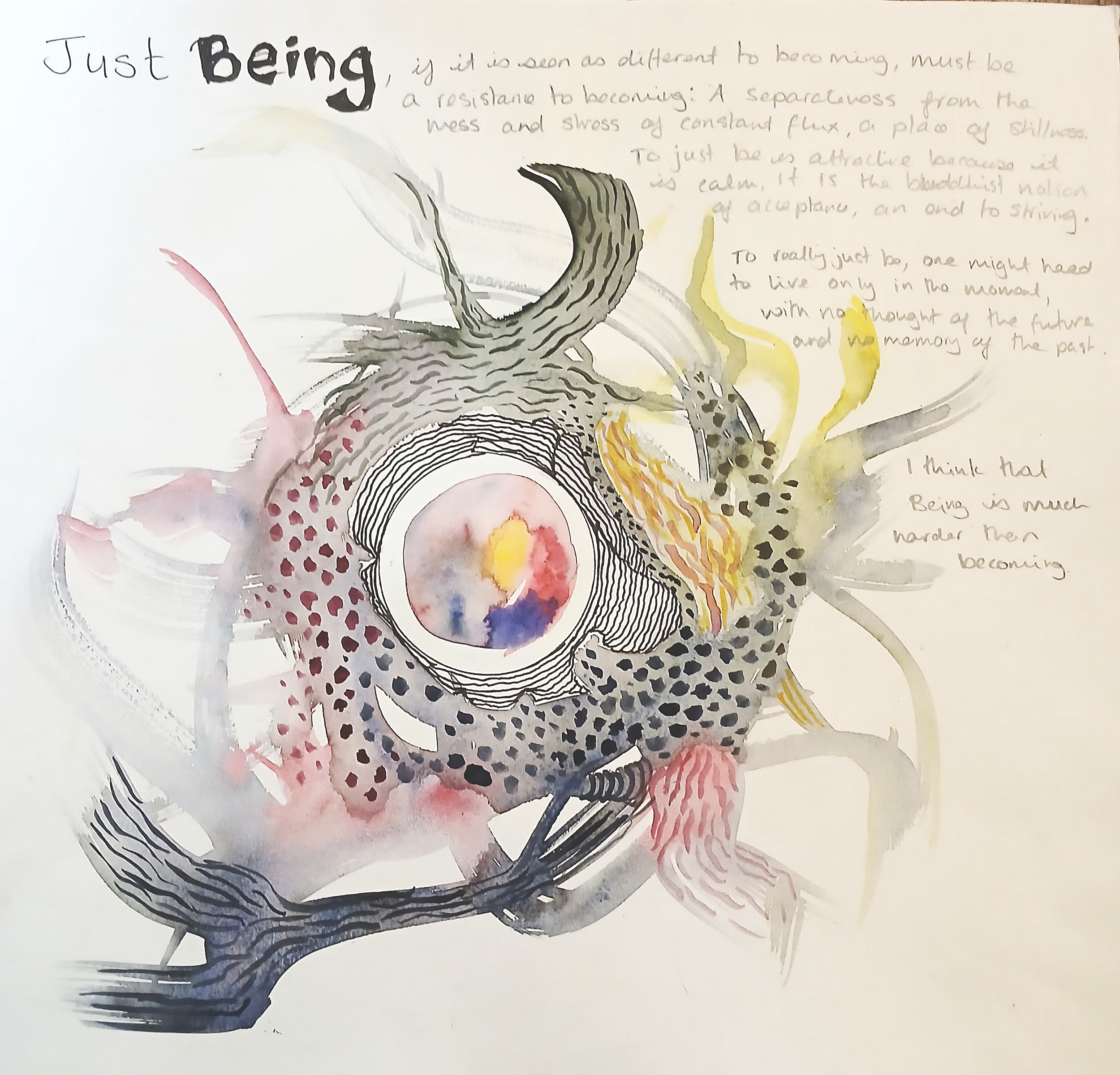
“I am not sure if it is even possible to Just Be. If 'being' is seen as different to becoming, then it must be a resistance to becoming; a sparation from the flow and the influece and other beings, removed from the flux to a place of stillness. I can see the attraction of this. It is a place of acceptance of the moment, an end to striving. It is living in the moment, completely. But it is disconnected, denying so many possibilities.”
— Lisa Hudson“I found it interesting Iain that you felt emergence was distant. I immediately thought of it as an internal experience, a burgeoning growth of feeling that sometimes becomes the work / or an understanding/ simple revelation about something, a welling up.
Emergence- complex system
Conditions for emergence?
Uncontrolled - enlightenment?
‘enlightenment’ – experience of unexpected difference, - something that happens where you suddenly know something, that you knew before, but you know it in a new way.
Being -present or becoming aware , finding a way (to connect to be present , see hear to see, to listern). Enacting practices that test or take you towards a respectful connection in different ways. Do some of us respond to different ways of becoming aware?
I realise I’m saying here is obvious, but I guess the following is an indulgent set of thinking that interest me about influence and difference and being – please ignore if you wish.
Drawing can be said to be about looking, listening, feeling and more ….
One mark leads to another. Its impacted by your stance and action, interest in the subject, emotion on the day. Where you are, what you read last night, who your with and materials you use .. and more….all the things you ever heard and did. The eye can lead the hand or the hand the eye. You can draw behind your back.
I’m really interested in the subjects of difference, emotion and connection, I’ve been watching the sea and thinking about edge and non-edge along the line of the horizon. I often approach my looking through metaphor. When the sun shines brightly it defines the horizon and filters across the water enlivening the sea with its light and we all love the scene. When the mist and the clouds get involved things get more interesting and the edge isn’t always so clear, sometimes the light and shadow form both the sea and the sky and the horizon line is lost or misplaced.
- Trish BouldFfynnonnology
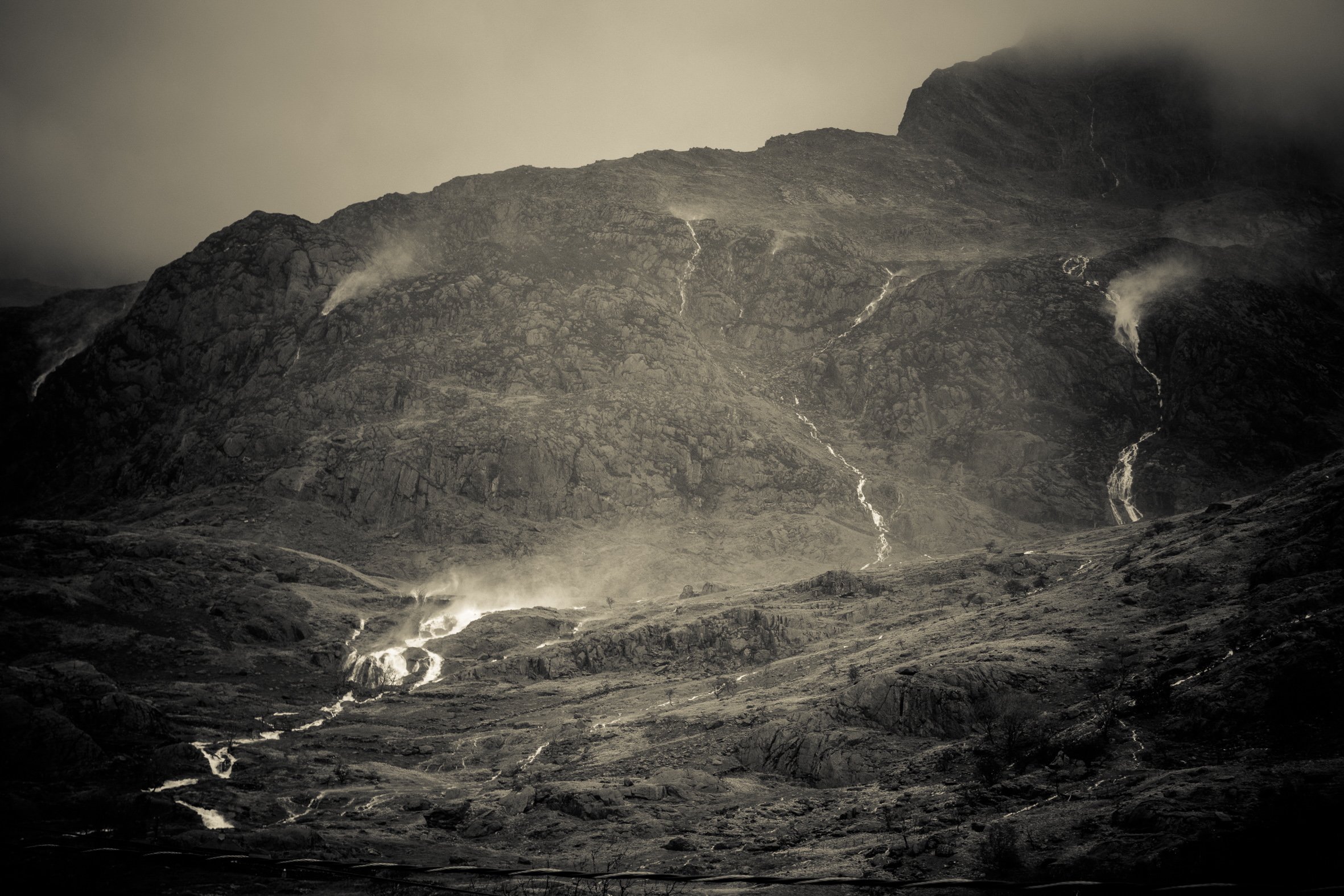
(a new word and approach for Utopias Bach, stimulated by responses to the image below)
These are notes I made from the discussion:
- time slides
- collaboration between water and wind
- we are like the wind/breathing (gwynt)
- nothing can stop it - more going on (like on fire)
- David Woodford - Elemental
- art not in the object? Object in process? Art of conversation - actions that are artful and aesthetic, only producing effemeral object? experience of the object (individual/collective)
- what is our practice? our methodology? Our toolbox? Our Process? [we are not sure about these terms]
- what would image suggest? Disruptions? Drifts? Uprisings? Sources? Phenomen-ology --> Fynnonnology? (stay with the things themselves)
- Lindsey ColbourneIf I were to use the flow for one specific target point I would be colonial. I am Afon Gâd, the River Hare. “Mein Name ist Hase, ich weiß von nichts.” Mutterwitz, Aberwitz. The wit of the estuary, the mouth that speaks no and all languages, dada as my language of choice. I might look like a waterfall, but that’s only because I respect gravity as an agency that co-constitutes me as it does co-constitute you, who is co-constituting me by reading this. We are not a waterfall: casgád, not afon gád but afon gâd, adding down to the up in accént and descènt. If you are Löwenzahn, my teeth are as much you as my gastrointestinal tract is your riverbed. While I am also my gastrointestinal river bed, I am not you but I metabolise you, as you are easily digestible food, and I will expel what you will have become as feces. Our art would be pis(i)o i’r gwynt wie so mancher Wasserfall. We are unlikely to happen (Luhmann) while the flow, the Afon always falls. I just might be too busy to digest dandelion to follow it. Dandelions might be the collaboration that makes a we emerging, a wee emerging. It tells us in its name blodau pi-pi’n gwely, to piss in the river bed. If you and me, both eat dandelion and join the flow through pissing (as a variation of swimming, or floating) in the river bed do we become river? I certainly don´t, I am Afon Gâd, the River Hare. I piss differently to you. Ich schlage Haken und lasse mich vom Igel als dumm verkaufen. But I remain clueless under the radar and when time is ripe, I can piss a river myself.
I might have lost you on the way, ond cofio: am ennyd fer roedden ni'n un - hyd yn oed pe bai ond yn ein dychymyg, pisio ymlaen. Byddwn i ond yn derbyn bod yn ni yn y dychymyg. Oherwydd, Afon Gâd, dw i, and while the hedgehog managed to trick me, he still couldn‘t catch me. But it definitely will have beaten us, as a hedgehog’s piss has an unbearable smell that does long not dissolve into the collective and collaboration of the falling water. Hedgehog ist nämlich der I-gel. Draenog. Drain it. Dydy’r draenog ddim yn bwyta Löwenzahn, so how can we collaborate with someone and something so different? We better find a way. Ich bin der Flusshase und schlage Haken, um auch den Igel von zu Hause abzuholen. Der ist freilich immer schon da, wo ich gerade ankomme. Denn der Igel ist eine Multitude. With you, I was a Dividuum, with the Hedgehog I might become a multitude because for once in my life I do not want to be second but be an Already There. So how to make the Draenog collaborative? Do you have an idea
- Sarah Pogoda“A Ffynnonnology of Utopias Bach
English: A collaborative “conversational” ebb and flow of spirited material particles animated by the “attractors” of curiosity, making well, play (of language[s]) and a degree of mutual and general care.
Cymraeg: Trai a llif “sgwrsiol” cydweithredol o ronynnau deunydd bywiog wedi’u hanimeiddio gan “ddenwyr” chwilfrydedd, gwneud ffyniant, chwarae (iaith/ieithoedd) a rhywfaint o ofal cydfuddiannol a chyffredinol.””
— Iain Biggs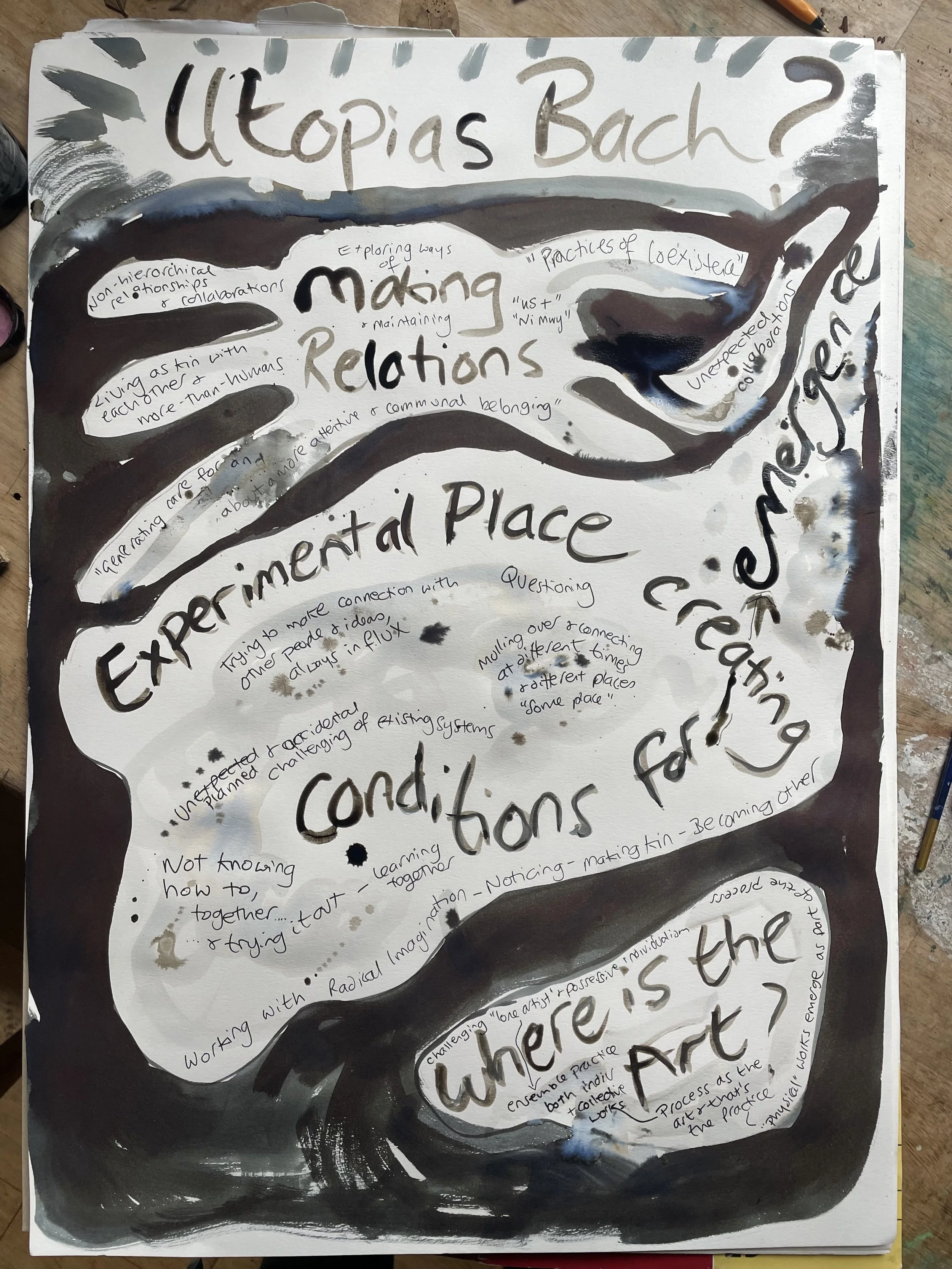
A little attempt at noticing the things i was struck by from our conversations +...
Making relations [‘practices of co-existence’]
Exploring ways of making and maintaining relations
Living as kin with each other and more-than-humans
“Us Plus” “Ni Mwy”
Unexpected collaborations
Non-hierarchical relationships and collaborations
“generating care for and about a more attentive and inclusive communal belonging”
Experimental placecreating conditions for ‘emergence’
Trying to make connection with other people, ideas, always in flux
Mulling over and connecting at different times and different places (‘ some place’)
Not knowing how to, together, and trying it out
Working with radical imagination – Noticing - Making Kin – Becoming Other
Unplanned and accidental challenging of established systems
Questioning/criticizing and trying other ways at same time (Cabinet – collaborative credits, Quilt - policies)
Learning together
Where is the art?
The process as the art and that’s the practice
Physical works (and digital/video/scores) emerge as part of the process
Challenging the ‘lone artist’ model/possessive individualism – ensemble practice; both individual and collective works
An attempt, amending existing wording on the website, to say what UB is:
Utopias Bach is at heart about ongoing, diverse, inclusive relationships that creatively challenge the status-quo, by exploring new ways of being and becoming together with each other and more-than-humans
- Lindsey Colbourne“I enter a certain dream-like state when I spend time looking at Lindsey’s image of the waterfalls on the mountain. There is a tension in the downward and upward flows as they are empowered by the winds and the rain, but the vast mountain side relaxes the tension and invites the imagination to take charge.
Bachelard (1994) posits ‘When this elsewhere is in natural surroundings, it is immense. And one might say that daydream is original contemplation.’ He goes on to ‘analyse impressions and images of immensity, or what immensity contributes to an image’ which leads him directly to ‘our imagining consciousness’.
Returning me to my own dreamy gaze at the mountain and the waterfalls, he suggests ‘In the direction of daydreams of immensity, the real product is consciousness of enlargement. We feel that we have been promoted to the dignity of the admiring being.’
So thank you Lindsey for this embodied appreciation of scale and the temporal narrative of flow.
Bachelard, G. Poetics of Space (1994) Massachusetts: Beacon Press
First published in French under the title La poétique de l’espace, ©1958 by Presses Universitaire de France.
- Steph ShipleyI have no experience of taking part in one of UB projects, though the turning over of practice in this way is something I have been part of before in relation to drawing and collaborative events and its lovely to be part of that kind of discussion again.
If I’m understanding properly your methodologies focus on attitudes to working ?
- ‘what is the limit? Respectful responsibility’ you very caring toward each other in terms of support
Difference ? feels an important asset of working/ being together and I wondered how this is employed in projects ?
a pull and push
Cats cradle was of interest to me from Staying with the Trouble, I guess it’s a textile thing, but its also a way of twisting and refiguring the same physical line,; moving an idea between 2 and 3 dimensions, or between one and another.
- Trish BouldOn manifestos…
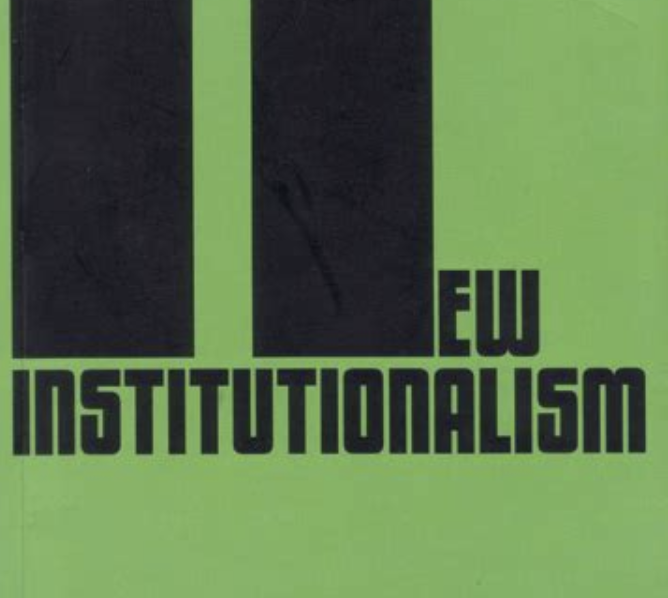
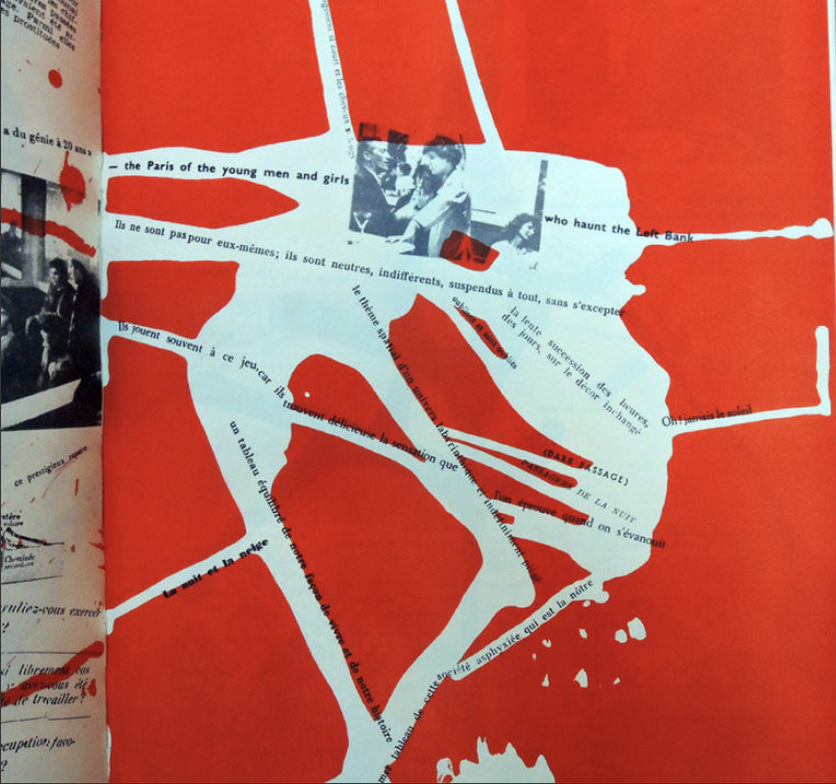
Responses to the Situationist Manifesto
Dear ghost of Guy Debord,
Some friends and I have been reading a part of your manifesto, and I’d like to suggest some changes in the light of where I find myself in 2026.
The most urgent aim which you set your organization, when it emerged from its initial experimental phase to embark upon its first public campaign, might better have been to avoid wanting to ‘capture’ anything. The ‘bureaucratization of Art and the whole of culture, unified on a world scale’, is a phenomenon that’s now too familiar to be worthy of comment. It simply reiterates the culture of possessive individualism’s relationship to mindless assumptions about unlimited “novelty” and “growth”, and its refusal to engage intelligently with the past. I’d also like to suggest that those formally categorised as “revolutionary artists” might try taking themselves a little less seriously. Isn’t it rather egotistical to try to identify the characteristics of a “new” culture since, by and large, we’ve yet to come to a proper understanding of the old one and all that it ignored. I agree that we need to avoid seduction by the culture of spectacle. But I wonder if you mightn’t try instead to put into practice possibilities for as many and various forms of participation as seem possible, as this relates to the particular places in which we find ourselves, thereby bringing the aesthetic and the ethical together in our lived moments? (In this context, I’m worried by your tacit assumption that only the urban is relevant, or have I got that wrong?) Could you perhaps avoid totalising reference to “global practices” or encouraging utilitarian fantasies about “usable elements”. Also, I wonder if insisting on “collectivity” doesn’t risk encouraging authoritarian tendencies?
The experiments you hoped to offer might perhaps have inclined people to less aggressive and egotistic forms of behaviour which, in turn, might perhaps have encouraged forms of forward planning less likely to render the planet uninhabitable. Not much sign of that and I’m not holding my breath.
If Situationist notions of culture are to mean anything, should Situationists maybe start by listening more and pontificating less? Statements like: ‘artists - together with the whole of visible culture – have come to be entirely separated from society, as they are among themselves by competition’ are simply no longer credible. Given that the type of people I suspect you hope to reach now accept psycho-socio-environmental relationality as primary, there‘s no possibility of artists being ‘separate from capitalist society’. Nor can it be said, in any honesty, that under capitalism, art is “essentially unilateral, without reply”. Today art is is endlessly “replied to” by a vast host of theorists, critics, curators, other artists, the popular media, etc, etc.
Could you please try to avoid statements that reference “a higher stage” in which “everyone will become an artist - that is to say, both producer and consumer of a total cultural achievement’. This is unbelievably patronising of the innumerable “indigenous”, “traditional”, “tribal” or “First Nations” societies, destroyed in whole or in part by “progressive” colonialist and globalist activity, in which that condition was once the norm. Finally, could you please accept that attempts to ensure that “everyone will be, so to speak, a Situationist”, are likely to lead to a Situationist authoritarianism. One dominated by a very particular type of ‘amateur-expert’ manifesto writer, ‘the last of all professions’ only because he – without a doubt “he” – will have outlawed all others.
At the risk of appearing even more impertinent, can I suggest that you encourage those interested in Situationism to focus on attentive forms of walking, etc. and on “local” psycho-geographies. You might also suggest they read some, or all, of the following:
Yuriko Saito, (2022) Aesthetics of Care: Practice in Everyday Life.
Anna Pigott (2023) ‘Willow, weaving, worlding and a politics of change’ in Pigott, A; Jones, O; & Parry, B (eds) (2023) Art and Creativity in an Era of Ecocide: Embodiment, Performance and Practice.
Richard Kearney (1991) Poetics of Imagining: from Husserl to Lyotard.
James Hillman (1994) ‘”Man is by nature a political animal” or: patient as citizen’ in Shamdasani, S. & Munchow, M. (eds) Speculations after Freud: Psychoanalysis, philosophy and culture.
Donna J. Haraway (2016) Staying with the Trouble: Making Kin in the Chthulucene.
- Iain Biggs